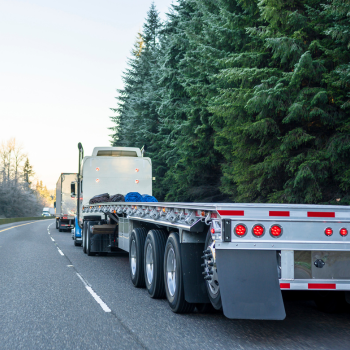

Refurbished Ashok Leyland 2820 12 Tyre
While Ashok Leyland 2820 12 tyres are the best heavy logistics solution for your business, they can also be very expensive, and thus, it is highly sensible to go for refurbished solutions. Refurbished vehicles are vehicles that have been given a makeover and rendered as good as new.
The following are some of the reasons to go for a refurbished Ashok Leyland 2820 12 tyre:
- Refurbishing done by PRL Construction Equipment is done by the best experts in the market, and only original components are used for the purpose. To ensure this, though, you must check if refurbishment services are certified by third-party quality certification services for the purpose.
- Refurbished Ashok Leyland 2820 12 tyres can also be cost-effective as they cost much less than original vehicles. That is highly desirable in many cases – especially if you are short on funds or if you are running a new business.
- Refurbished Ashok Leyland 2820 12 tyres can be an eco-friendly and greener option as well. This means that it can tremendously reduce carbon footprint and reduce the use of new minerals.
Of course, to get the best of these advantages, you must only go for a supplier that avails the best refurbishing services.
Enquiry about Refurbished Ashok Leyland 2820 12 Tyre

Related products

Tata Tipper Trucks 4825
<span style="font-weight: 400;">The following are some of the features of </span><b>Tata Tipper Trucks 4825</b><span style="font-weight: 400;"> you may want to consider:</span> <ul> <li style="font-weight: 400;" aria-level="1"><b>Excellent loading capacity</b></li> </ul> <span style="font-weight: 400;">Tata Tipper truck 4825 has a gross weight carrying capacity of 47.5 tonnes and is capable of carrying huge amounts of construction material. Please note that this capacity includes the mass of the tipper vehicle itself.</span> <ul> <li style="font-weight: 400;" aria-level="1"><b>Powerful engine Specs</b></li> </ul> <span style="font-weight: 400;">In addition to powerful weight-carrying capacity, the vehicle is also empowered with excellent torque and excellent pulling power.</span> <ul> <li style="font-weight: 400;" aria-level="1"><b>Maximum efficiency</b></li> </ul> <span style="font-weight: 400;">To ensure maximum efficiency for users, it offers three distinct dive modes, including light, medium, and heavy modest, to ensure optimum fuel use.</span> <ul> <li style="font-weight: 400;" aria-level="1"><b>Convenience</b></li> </ul> <span style="font-weight: 400;">Tata also ensures the comfort of the driver of a tipper truck with excellent seating arrangements for the driver.</span> <ul> <li style="font-weight: 400;" aria-level="1"><b>Safety features</b></li> </ul> <span style="font-weight: 400;">Tata avails the best safety features for Tripper Truck 4825 to ensure the safety of both drivers and those in the surroundings.</span> <ul> <li style="font-weight: 400;" aria-level="1"><b>Cost-effective solution</b></li> </ul> <span style="font-weight: 400;">Tata Tripper truck 4825 is a cost-effective solution, availing this vehicle at the best prices in the country. The long life of the vehicle means that your investment is bound to keep paying you return for a long, long time.</span><span style="font-weight: 400;">In short, the Tata Tipper Truck 4825 is the best vehicle in the market. Moreover, PRL Construction Equipment is the best supplier of this model as well as other Tata models.</span>
Flat Bed Truck
Ashok Leyland 2820
<span style="font-weight: 400;">Ashok Leyland is India’s premier brand for carrying commercial vehicles and is renowned for its excellent models like the 2818 and 2820. Even the refurbished versions of these models will boost business, especially when refurbished by PRL Equipment.</span>Tata Tipper Trucks
<span style="font-weight: 400;">While there are tipper trucks from several leading brands in the Indian market, there are some brands like Tata and Ashok Leyland that stand apart. Tata, in particular, is a brand recognized for delivering products in countless industries and fields, from salt to steel and from outsourcing to transportation. </span><span style="font-weight: 400;">Tata’s Tipper truckers are no exception to this rule, and Tata Tipper vehicles like Tata Tipper Truck 4825, Tata Tipper Truck 3525, and Tata Tipper Truck 1918 are among the most popular products in their respective segments.</span><span style="font-weight: 400;">The very name ‘Tata’ is thus the biggest reason to go for Tata Tipper Trucks. The following are some of their chief models:</span> <ul> <li style="font-weight: 400;" aria-level="1"><span style="font-weight: 400;">Tata Tipper Truck 4825 - a 16-tyre model capable of handling tremendous loads.</span></li> <li style="font-weight: 400;" aria-level="1"><span style="font-weight: 400;">Tata Tipper Truck 3525 - a 12-tyre model backed by a powerful engine.</span></li> <li style="font-weight: 400;" aria-level="1"><span style="font-weight: 400;">Tata Tipper Truck 1918 - a 6-tyre model perfect for carrying middle-range loads and perfect for most businesses.</span></li> </ul> <span style="font-weight: 400;">In short, different Tata models are suited for different purposes but you will find a model suited to your needs. One of the advantages of going with the brand Tata is that you can be sure you are going to get a quality product - no matter which model suits your needs.</span>Footer
About Company

PRL Construction Equipment – Expertise in Rebuilding Refurbished Construction Equipment