
Tata Tipper Trucks
While there are tipper trucks from several leading brands in the Indian market, there are some brands like Tata and Ashok Leyland that stand apart. Tata, in particular, is a brand recognized for delivering products in countless industries and fields, from salt to steel and from outsourcing to transportation.
Tata’s Tipper truckers are no exception to this rule, and Tata Tipper vehicles like Tata Tipper Truck 4825, Tata Tipper Truck 3525, and Tata Tipper Truck 1918 are among the most popular products in their respective segments.
The very name ‘Tata’ is thus the biggest reason to go for Tata Tipper Trucks. The following are some of their chief models:
- Tata Tipper Truck 4825 – a 16-tyre model capable of handling tremendous loads.
- Tata Tipper Truck 3525 – a 12-tyre model backed by a powerful engine.
- Tata Tipper Truck 1918 – a 6-tyre model perfect for carrying middle-range loads and perfect for most businesses.
In short, different Tata models are suited for different purposes but you will find a model suited to your needs. One of the advantages of going with the brand Tata is that you can be sure you are going to get a quality product – no matter which model suits your needs.
Enquiry about Tata Tipper Trucks

Related products

Ashok Leyland 2820
<span style="font-weight: 400;">Ashok Leyland is India’s premier brand for carrying commercial vehicles and is renowned for its excellent models like the 2818 and 2820. Even the refurbished versions of these models will boost business, especially when refurbished by PRL Equipment.</span>
Wheel Loader
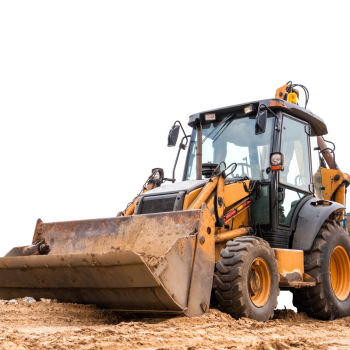
A wheel loader, also known as a front loader, is a heavy equipment machine commonly used in construction, mining, and other industries that require material handling and loading tasks. It is characterized by its large front-mounted bucket and the ability to maneuver on wheels.<strong>Structure</strong>: A wheel loader has a sturdy frame made of steel, designed to withstand heavy loads and rough working conditions. It consists of a chassis, articulated steering system, and a front-mounted lift arm.<strong>Power source:</strong> Wheel loaders are powered by either diesel engines or, in some cases, electric motors. Diesel engines are more common due to their high torque output and fuel efficiency.<strong>Wheels and tires:</strong> Wheel loaders are equipped with large, rugged tires that provide traction and stability on various terrains. Some models have articulated steering, which allows for improved maneuverability.<strong>Bucket:</strong> The front-mounted bucket is the primary attachment of a wheel loader. It is used for loading loose materials such as soil, gravel, sand, rocks, or debris. Buckets can vary in size and shape depending on the intended application.<strong>Lift arm</strong>: The lift arm, also known as the loader arm or boom, is connected to the front of the machine and supports the bucket. It can be raised, lowered, and tilted to control the position of the bucket during loading and dumping operations.<strong>Operator's cab:</strong> The wheel loader features an enclosed operator's cab mounted on the chassis. The cab is designed to provide a comfortable and safe working environment for the operator, equipped with controls, instrumentation, and a seat with visibility of the working area.<strong>Controls:</strong> The operator controls the wheel loader's movement and attachment operations using hydraulic controls. These controls allow precise manipulation of the lift arm, bucket, and other machine functions.<strong>Versatility:</strong> Wheel loaders can be equipped with various attachments, such as forks, grapples, snowplows, or sweepers, to expand their versatility and perform different tasks.<strong>Safety features:</strong> Modern wheel loaders are equipped with safety features such as ROPS (Roll-Over Protective Structure), FOPS (Falling Object Protective Structure), seat belts, backup alarms, and enhanced visibility mirrors to ensure operator safety.<strong>Size and capacity:</strong> Wheel loaders come in different sizes, ranging from compact loaders suitable for small construction projects to large loaders used in mining and quarry operations. The capacity of the bucket also varies, with larger machines capable of handling more significant amounts of material.Ashok Leyland 2518 – 6 Tyre
<span style="font-weight: 400;">The Ashok Leyland 2518 - 6 is one of our most popular commercial vehicles and is widely known for its long life and efficiency. The tipper truck comes empowered with a powerful uplift system based on hydraulic principles. The vehicle can be an excellent boost to businesses looking for a commercial vehicle capable of heavy-duty logistics.</span>Excavator
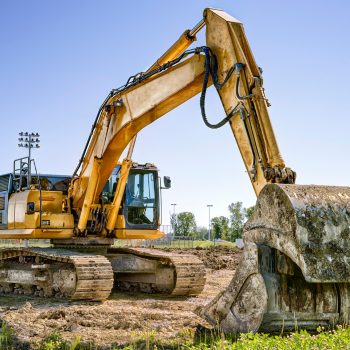
A refurbished excavator is a heavy construction machine used for digging and earthmoving tasks. It consists of a boom, stick, and bucket that are controlled by hydraulic systems. A refurbished excavator has been previously used and has undergone refurbishment to restore its functionality and performance.Here are some common descriptions and specifications you might find for a refurbished excavator:<strong>Size Classes</strong>: Excavators are available in different size classes, categorized by their operating weight. Common classes include mini excavators (under 6 metric tons), compact excavators (6-10 metric tons), and standard excavators (10-45+ metric tons).<strong>Operating Weight</strong>: The operating weight of an excavator depends on its size class. For example, a mini excavator may weigh around 1 to 6 metric tons, while a standard excavator can range from 10 to 45+ metric tons or more.<strong>Engine Power</strong>: Excavators are typically powered by diesel engines. The engine power varies depending on the size of the excavator, ranging from around 15 to 300+ horsepower (HP) or more.<strong>Digging Depth</strong>: The digging depth indicates how deep the excavator can reach. It varies depending on the model and can range from 6 to 60+ feet or more.<strong>Reach:</strong> The reach of an excavator refers to its horizontal extension capacity. It determines how far the excavator's boom can reach while maintaining stability. The reach can vary from 10 to 80+ feet or more.<strong>Bucket Capacity</strong>: Excavators have different bucket sizes to accommodate various tasks. The bucket capacity typically ranges from 0.1 to 2+ cubic yards or more, depending on the model.<strong>Operating Controls</strong>: Excavators are operated using hydraulic controls, allowing precise movement of the boom, stick, and bucket. Some excavators may have additional features like joystick controls for increased operator comfort and control.<strong>Track or Wheel Configuration:</strong> Excavators are available in both tracked and wheeled configurations. Tracked excavators provide better traction and stability on uneven terrain, while wheeled excavators offer enhanced mobility on flat surfaces.<strong>Additional Features:</strong> Excavators may come with additional features such as hydraulic quick couplers for easy attachment changes, auxiliary hydraulic circuits for operating various attachments, and advanced technology systems for improved efficiency and productivity. <p style="text-align: justify;">.</p> <iframe title="YouTube video player" src="https://www.youtube.com/embed/Wn15-4Crz8k" width="600" height="337" frameborder="0" allowfullscreen="allowfullscreen"></iframe>Footer
About Company

PRL Construction Equipment – Expertise in Rebuilding Refurbished Construction Equipment